Audio, Mobile
Earbud Water-Resistance Ratings Decoded: What IPX4, IPX7, and IP68 Really Protect Against
Jun
Earbud Water-Resistance Ratings Decoded: What IPX4, IPX7, and IP68 Really Protect Against
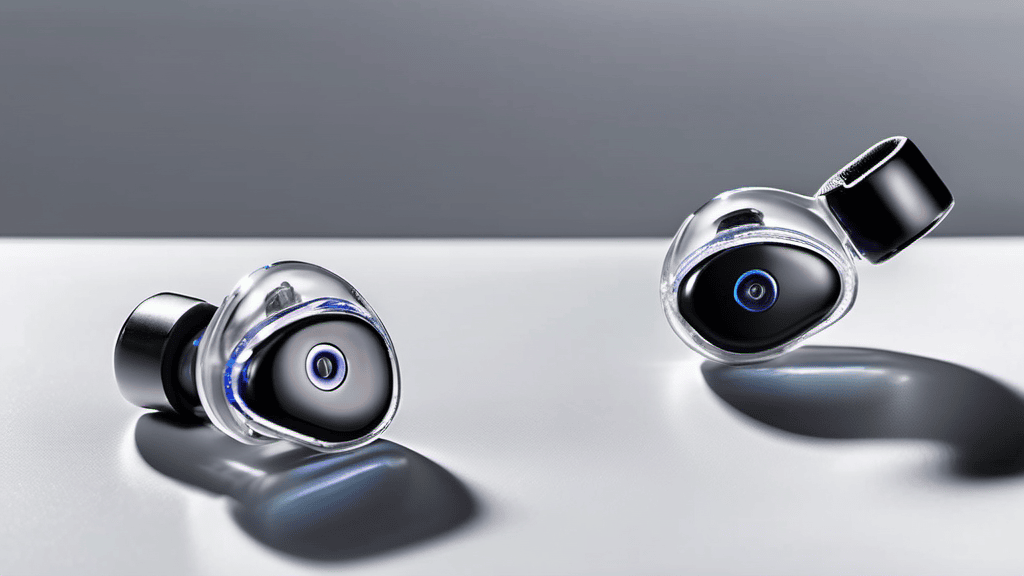
“Waterproof” is a marketing word. The code stamped on the box is the real claim, and it’s more specific than most people assume. When earbuds list a rating like IPX4 or IP68, that’s a reference to a published international standard with defined tests behind each character. Learn to read the code and you’ll know exactly what you’re protected against, which matters a lot when the difference is “survives sweat” versus “survives the washing machine.”
What the letters and numbers actually mean
The IP code comes from an international standard (IEC 60529, often called the Ingress Protection rating). The format is the letters “IP” followed by two characters:
- First digit — protection against solids, like dust. It runs from 0 to 6.
- Second digit — protection against water. It runs from 0 to higher levels of immersion.
When you see an X, as in IPX4, it does not mean zero protection. It means that digit wasn’t rated or tested. IPX4 means “we didn’t certify the dust rating, but the water rating is 4.” Plenty of earbuds carry an X for solids simply because the maker didn’t pay to test it, not because they fall apart in a dusty pocket.
IPX4: the sweat-and-rain tier
IPX4 means the device is protected against splashing water from any direction. In the standard’s test, water is sprayed at the device from multiple angles and it has to keep working afterward.
For earbuds, this is the workout-and-weather rating. Sweat during a run, a sudden drizzle, splashes at the sink: an IPX4 device is built to handle those. What it is not built for is submersion. Dropping IPX4 buds in a pool or a full sink is outside what the rating promises. For most people who just don’t want their earbuds dying from exercise or rain, IPX4 is genuinely enough, and chasing a higher number often isn’t worth it.
IPX7: built to be dunked
IPX7 covers temporary immersion in water. The standard test for this level involves submerging the device in water roughly up to a meter deep for about half an hour, after which it still has to function.
That’s a meaningful step up. IPX7 earbuds should survive a drop into a sink, a puddle, or a toilet, and a brief accidental dunk shouldn’t kill them. The catch is the word temporary. This rating is about surviving an incident, not about swimming laps with them in. It also doesn’t promise anything about jets of water hitting them at pressure.
That last point surprises people: a higher second digit doesn’t automatically include the lower ones. A device rated for immersion (IPX7) is not automatically rated against high-pressure water jets (which are tested separately). In everyday use this rarely bites you, but it’s why some rugged devices list two water ratings instead of one.
IP68: dust-tight and the deepest water tier
IP68 spells out both digits. The 6 means dust-tight: full protection against dust getting in, the top of the solids scale. The 8 means protection against continuous immersion under conditions the manufacturer specifies, generally deeper or longer than the IPX7 test.
Here’s the part worth reading twice. The 8 is the one rating where the manufacturer defines the exact conditions. There is no single universal depth for “8.” One product’s IP68 might be tested to a certain depth and time, another’s to different conditions. So IP68 is the strongest of these common ratings, but the precise promise depends on the fine print the maker publishes. Look for the stated depth and duration, not just the number.
The limits nobody prints on the box
The ratings are real, but they’re tested under controlled conditions that don’t match how earbuds actually get wet. A few things to keep in mind:
- The tests use fresh water. Salt water, chlorinated pool water, sweat, soap, and sugary drinks are more corrosive and can damage seals over time. An IP rating is not a promise about any of those liquids.
- Ratings describe a new device. Seals age. Drops, heat, and ordinary wear degrade water resistance, and a year-old pair won’t necessarily match its original rating.
- Pressure changes everything. Immersion ratings assume still or gently moving water. The force of a fast swim stroke or a strong shower stream can exceed the test conditions.
- Dry before charging. Many earbuds warn against charging while the contacts or case are wet, regardless of rating, because water plus electrical contacts invites corrosion.
How to actually shop with this
Match the rating to your real risk, not to the biggest number. If you want earbuds for the gym and the occasional rainy walk, IPX4 covers it, and paying extra for immersion ratings buys peace of mind you may never use. If you’re clumsy around sinks and pools, or you want a margin of safety, IPX7 or IP68 earns its keep. If a listing says “waterproof” but shows no IP code at all, treat the claim as decorative until you find the actual rating.
And whatever the box says, rinse off salt and sweat with a little fresh water when you can, dry the buds before they go back in the case, and don’t treat any rating as permission to be careless. The standard tells you what the earbuds survived in a lab. How long they survive your life is partly up to you.