Buying Guides, Smart Home
Smart-Home Standards Without the Jargon: What Matter, Thread, Zigbee, and Wi-Fi Mean for You
Jun
Smart-Home Standards Without the Jargon: What Matter, Thread, Zigbee, and Wi-Fi Mean for You
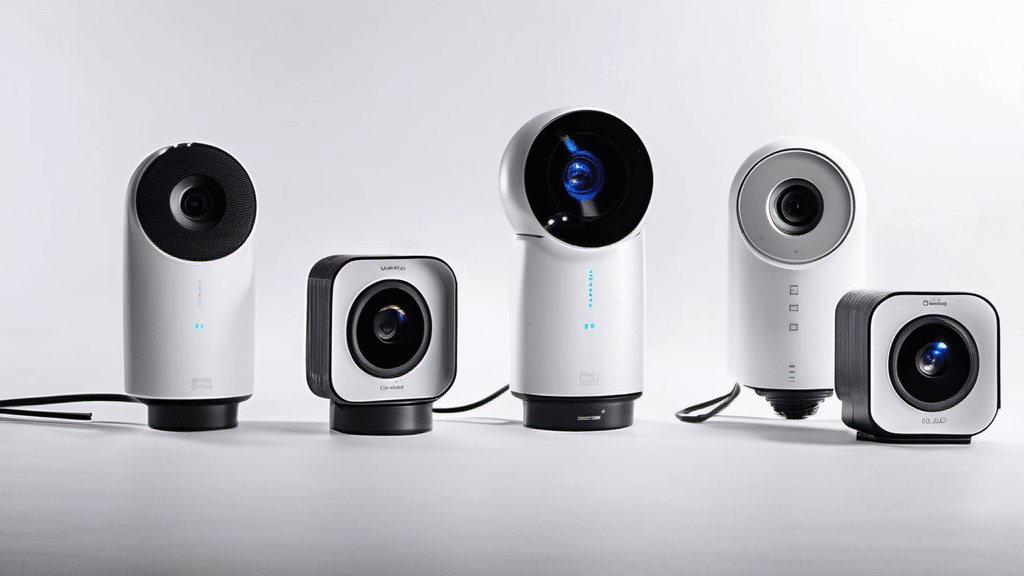
Buy two smart bulbs and you’ll meet a wall of words: Matter, Thread, Zigbee, Wi-Fi, “works with,” “hub required.” Most of it describes how the device talks, not what it does. The good news is that these terms answer a few simple questions, and once you sort out which question each one answers, the labels stop feeling like a test you didn’t study for.
The two questions that matter
Almost every smart-home standard is really an answer to one of two things:
- How does this device send its signal? Over your normal Wi-Fi, or over a separate low-power radio network. This is Wi-Fi, Thread, and Zigbee.
- Can different brands understand each other? This is the interoperability question, and it’s what Matter is for.
Keep those two questions separate and the rest falls into place. One set of terms is about the plumbing; the other is about whether the plumbing connects.
Wi-Fi: the one you already have
Wi-Fi smart devices connect straight to your home router, the same way your phone and laptop do. No extra hub, no special bridge. That simplicity is the appeal: plug it in, join your network, done.
The trade-offs show up as you add devices. Wi-Fi gadgets tend to draw more power, which is why you rarely see a Wi-Fi door sensor running for years on a coin battery. And every smart plug, camera, and bulb becomes another device crowding your router. A handful is fine. A house stuffed with dozens of Wi-Fi gadgets can strain a basic router. Wi-Fi is a great fit for a few always-powered, data-hungry devices like cameras, and a clumsier fit for swarms of tiny battery sensors.
Zigbee: the low-power workhorse
Zigbee is a wireless standard built specifically for small smart-home devices. Instead of joining your Wi-Fi, Zigbee gadgets form their own low-power network and usually talk to a hub or bridge, which then connects to your main network and the internet.
Two things make Zigbee popular for sensors and bulbs. It sips power, so battery devices can last a long time. And it’s a mesh: mains-powered devices like bulbs and plugs relay signals for each other, so the network’s reach grows as you add more. The cost of entry is that hub. If a product says “Zigbee,” you generally need a compatible bridge for it to work, and historically one brand’s Zigbee hub didn’t always play nicely with another brand’s Zigbee device. It’s a mature, reliable technology that predates the current interoperability push.
Thread: the newer low-power network
Thread is, in spirit, a modern take on the same idea as Zigbee: a low-power mesh network for small devices, where mains-powered gadgets extend the range. The key difference under the hood is that Thread is built on internet protocol (IP), the same addressing language the rest of your network uses. That makes it fit more naturally into a modern smart home.
Thread needs a “border router,” a device that bridges the Thread network to your home network. You may already own one without realizing it, because a number of popular smart speakers and hubs include a Thread border router built in. When people talk about Thread being fast and reliable for things like sensors and locks, the low-power mesh design is why. Thread doesn’t, by itself, decide which apps or ecosystems your device works with. That’s a separate question, which brings us to the term causing the most confusion right now.
Matter: the translator, not a network
Matter is the one that’s genuinely new in what it tries to do, and the one most often misunderstood. Matter is not a radio or a network. It’s a common language that lets devices from different brands and different ecosystems understand each other. The whole point is that a Matter device should work across the major smart-home platforms rather than being locked to one app.
Matter runs on top of existing networks. A Matter device might communicate over Wi-Fi, over Ethernet, or over Thread. So “Matter” and “Thread” are not competitors and not alternatives to pick between. A single product can be both: it uses Thread to carry the signal and Matter to be understood by your platform of choice. When you see “Matter over Thread” or “Matter over Wi-Fi,” that’s exactly what’s being described, the language and the network it’s spoken on.
The honest caveat: Matter is still maturing. It covers common device types well, and support for more advanced or niche gadgets has been arriving over time rather than all at once. It’s a real step toward devices that aren’t trapped in one brand’s walled garden, but it isn’t a magic guarantee that absolutely everything works together yet.
What this means when you’re buying
Strip away the jargon and a few practical rules remain:
- If you want zero extra hardware and you’re only adding a few always-powered devices, Wi-Fi gadgets are the simplest start.
- If you’re building out lots of sensors and bulbs, a low-power mesh (Zigbee or Thread) handles a crowd better and treats batteries kindly, at the cost of needing a hub or border router.
- If cross-brand compatibility is your priority, look for the Matter logo, and check which network it uses so you know whether you need a Thread border router.
- Check what you already own. Some smart speakers and hubs include a Thread border router and act as a Matter controller, which can save you from buying anything extra.
You don’t need to master the engineering. You need to know that Wi-Fi, Zigbee, and Thread answer “how does it talk,” Matter answers “can the brands agree,” and the two are meant to work together rather than against each other.