Buying Guides, Smart Home
Robot Vacuum Specs Decoded: Suction, LiDAR vs Camera Mapping, and Self-Empty
Aug
Robot Vacuum Specs Decoded: Suction, LiDAR vs Camera Mapping, and Self-Empty
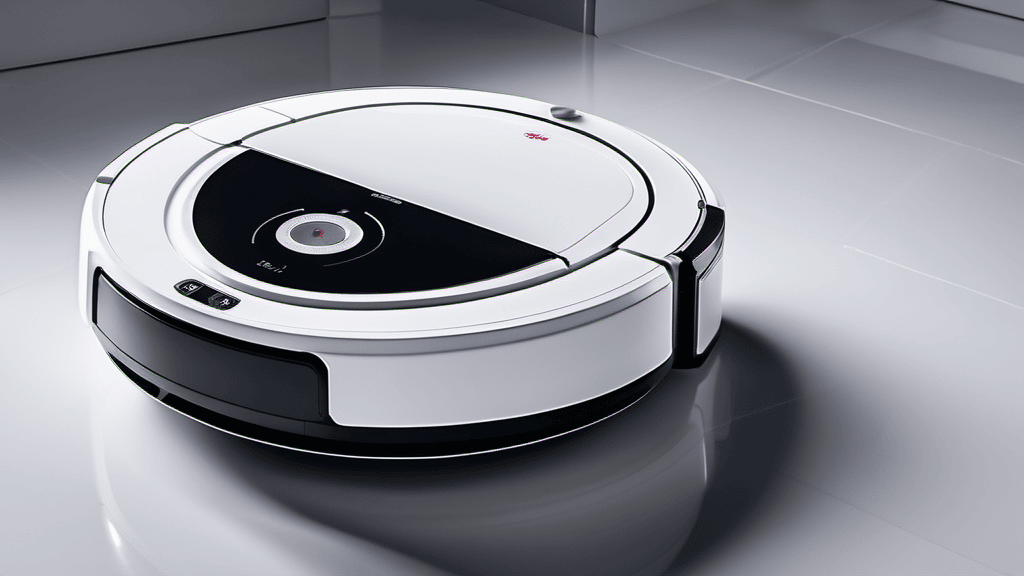
Robot vacuum listings are a wall of specs and Pa numbers. Here’s what actually affects how well one cleans your home.
Suction (Pa): useful, but not everything
Suction is measured in pascals (Pa). More helps on carpet and for pet hair, but past a point it matters less than brush design and how methodically the robot covers the floor. A well-navigating 4,000Pa robot often out-cleans a chaotic 8,000Pa one. Treat Pa as one factor, not the headline.
Navigation: LiDAR vs camera vs random
- LiDAR (a spinning laser) builds an accurate map and cleans in efficient rows, even in the dark. It’s the gold standard for methodical coverage.
- Camera/vSLAM navigation maps using a camera; good, but needs some light and can be less precise than LiDAR.
- “Random bounce” budget robots have no mapping — they ricochet around and miss spots. Fine for light upkeep, frustrating for whole-home cleaning.
Self-emptying docks
A self-empty base sucks the robot’s bin into a larger bag so you only deal with it every month or two — great for convenience and allergies, though it adds cost and the bags are a recurring expense.
Mopping
Many robots now mop. Basic versions just drag a damp pad; better ones lift the pad on carpet, scrub with rotating pads, and even wash and dry the pad at the dock. Mopping handles light spills, not deep stains.
The specs that quietly matter
Battery/run time for larger homes, app features like no-go zones and room-specific cleaning, brush type (rubber brushes tangle less with hair), and dock features. Match these to your floor types and pets.
Bottom line: prioritize good navigation (LiDAR for whole-home) and features that fit your home over chasing the biggest Pa number. Add self-empty and mopping only if you’ll actually use them.
Related on GadgetFusions
More guides: Smartwatch Sensors Explained: Heart Rate, SpO2, ECG, and GPS · Dash Cam Buying Guide: Resolution, Field of View, Night Vision, and Parking Mode
How We Evaluate & Key Specifications That Actually Matter
When comparing options for Robot Vacuum Specs Decoded: Suction, LiDAR vs Camera Mapping, and Self-Empty, manufacturer marketing sheets often highlight peak theoretical numbers generated in controlled lab bursts rather than sustained everyday operation. In our evaluations covering robot vacuum LiDAR turret mapping vs RGB-D obstacle avoidance, airflow CFM vs Pa static pressure, dual roller brushes, and auto-wash/auto-empty docks, three practical engineering factors consistently separate dependable hardware from frustrating impulse buys:
- Sustained Performance vs. Peak Claims: Whether measuring power output, wireless throughput, optical brightness, or acoustic response, hardware experiences thermal and electrical limits after 15 to 30 minutes of continuous load. Always prioritize sustained continuous ratings and certified industry standards over headline peak numbers.
- Standards Compliance & Interoperability: Devices built around open, verifiable standards (such as USB-IF Power Delivery, Qi/Qi2 inductive alignment, HDMI Forum 2.1, Matter/Thread, or standard Class 10 microSD/RTSP protocols) remain compatible across future phone, laptop, and smart-home upgrades without locking you into a single vendor’s proprietary app.
- Serviceability, Firmware & Build Tolerances: Look closely at strain-relief collars, hinge mechanisms, battery chemistry degradation curves, and whether the device continues to function locally if a companion cloud service changes its terms.
Common Buyer Mistakes to Avoid
Before finalizing your setup, run through this four-point pre-purchase checklist to avoid the most frequent compatibility bottlenecks:
- Mismatched Bottlenecks in the Signal or Power Chain: A high-spec device will only perform as fast as the weakest link connected to it. Pairing a high-wattage charger with an unrated 60W cable, connecting a high-refresh monitor over an older HDMI cable, or placing a fast mesh node behind concrete walls without backhaul will cap performance immediately.
- Ignoring Physical Ergonomics and Room Environment: Ambient room lighting, desk depth, ear-canal geometry, and mounting surface texture have just as much impact on daily satisfaction as internal chipsets. Measure your physical space and cable reach before ordering.
- Overpaying for Unused Spec Tiers: Buying flagship enterprise throughput or extreme capacity rarely improves everyday tasks if your primary devices don’t support the top protocol tier. Match the specification tier directly to the hardware you plan to use over the next 24 to 36 months.
- Overlooking Ongoing Subscription or Accessory Costs: Calculate the true 2-year cost of ownership — including mandatory cloud storage plans, replacement filters/pads, or required power bricks sold separately.
Frequently Asked Questions
Does paying twice as much double the real-world performance?
Rarely. In most consumer electronics categories, the sweet spot for price-to-performance sits in the mid-tier where core safety certifications, modern chipset revisions, and durable materials are fully implemented without luxury industrial-design markups.
How can I verify that my setup is running at its full rated specification?
Check the negotiated link or power state directly on your host device (for example, checking negotiated wattage in system power settings, verifying codec/refresh rate in display or Bluetooth developer menus, or running a local LAN speed test) rather than relying solely on indicator LEDs.
How often should this hardware be replaced or upgraded?
Well-chosen hardware with open standard support typically delivers 3 to 5 years of reliable daily service. Only upgrade when a new standard directly solves a measurable bottleneck in your daily workflow. For more details on how we evaluate gear, see our Review Methodology.