
05
Aug
Aug
OLED vs Mini-LED vs QLED explained: how each panel makes light, real pros and cons, and which display tech is best for movies, gaming, and bright rooms.

OLED vs Mini-LED vs QLED explained: how each panel makes light, real pros and cons, and which display tech is best for movies, gaming, and bright rooms.

When you pair wireless headphones, an invisible negotiation decides how your music is compressed for the trip through the air. That choice — the Bluetooth codec — affects detail and, quietly, the delay between video and sound. It’s one of the least advertised and most misunderstood parts of buying wireless audio. Why a codec exists…

Chargers and power banks are sold on a jumble of numbers — mAh, watts, “PD”, “GaN” — that sound technical but rarely get explained. Understanding four of them is enough to stop overpaying, stop charging slowly, and stop being surprised when a “10,000 mAh” bank doesn’t fully charge your phone three times. mAh measures a…

Buying an SSD used to be simple: pick a capacity. Now the listings bristle with SATA, NVMe, M.2, “Gen 4”, DRAM-less, and TBW, and two drives at the same price and size can differ in speed by a factor of ten. Here’s what each term means and which ones should actually steer your purchase. SATA…

Every new router box shouts a Wi-Fi generation at you, and the numbers keep climbing faster than most homes can use them. Wi-Fi 6 is still excellent for the vast majority of people, and Wi-Fi 7 is genuinely a leap in a few specific situations. The trick is knowing which of those situations is yours…

A spec sheet for a monitor, TV, or phone screen reads like a wall of numbers competing to sound impressive. Only a few of them change how the screen feels in daily use, and which few depends entirely on what you do with it. Here’s how to read the sheet and spend your money where…

HDMI version numbers have quietly become one of the most confusing corners of home tech, partly because the same port shape covers wildly different capabilities and partly because cable labelling is a mess. Most people need less than the marketing implies — but the people who need HDMI 2.1 really do need it, and a…
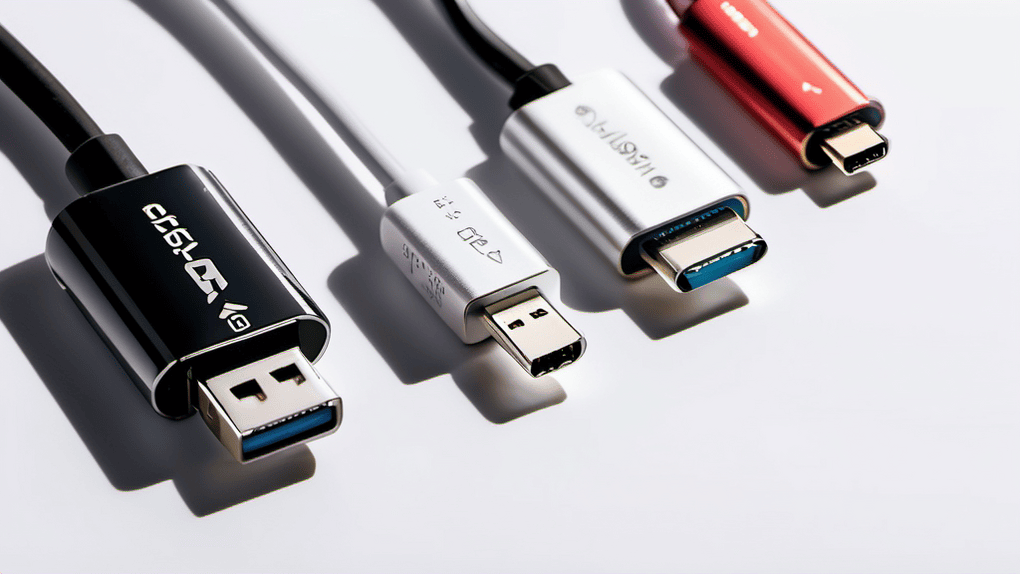
The single most useful thing to understand about USB-C is that the connector tells you almost nothing about what the port or cable can do. That oval, reversible plug is just a shape. Two cables that look identical, fit the same hole, and came in the same drawer can behave completely differently: one charges your…

“Waterproof” is a marketing word. The code stamped on the box is the real claim, and it’s more specific than most people assume. When earbuds list a rating like IPX4 or IP68, that’s a reference to a published international standard with defined tests behind each character. Learn to read the code and you’ll know exactly…
Buy two smart bulbs and you’ll meet a wall of words: Matter, Thread, Zigbee, Wi-Fi, “works with,” “hub required.” Most of it describes how the device talks, not what it does. The good news is that these terms answer a few simple questions, and once you sort out which question each one answers, the labels…

You don't need to spend $200 to get earbuds that sound great, last all day, and survive a workout. We rounded up the best wireless earbuds under $100 right now — from an ultra-budget backup pair to a waterproof swimming set and even real-time translation buds. Every pick ships fast from US warehouses. QERE E28…