Buying Guides, Computers, Gaming
Gaming Monitor Specs Decoded: Refresh Rate, Response Time, and Adaptive Sync
Aug
Gaming Monitor Specs Decoded: Refresh Rate, Response Time, and Adaptive Sync

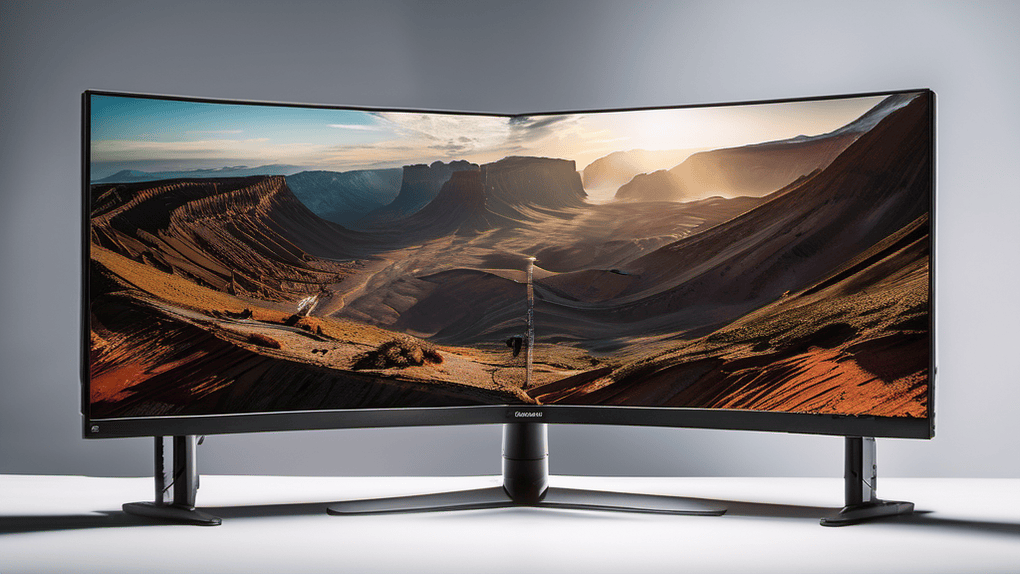
Gaming monitors throw a lot of numbers at you — 144Hz, 1ms, G-Sync, FreeSync. Here’s what each one actually does for your games.
Refresh rate (Hz): how many frames it can show
Refresh rate is how many times per second the screen updates, measured in hertz. A 60Hz monitor shows up to 60 frames per second; 144Hz shows up to 144. Higher refresh makes motion look smoother and can reduce input lag — the jump from 60Hz to 120/144Hz is the most noticeable upgrade for gaming. Your GPU also has to produce those frames to benefit.
Response time (ms): how fast a pixel changes color
Response time measures how quickly a pixel shifts from one color to another (ideally “gray-to-gray,” or GtG). Lower is better and reduces smearing or “ghosting” behind fast-moving objects. Watch the marketing: a “1ms” claim is often MPRT (a motion-blur measure), not the more meaningful GtG figure. A good IPS panel around 1–4ms GtG is excellent for most players.
Adaptive sync: no more screen tearing
When your GPU’s frame rate doesn’t match the monitor’s refresh, you get tearing (a split image) or stutter. Adaptive sync fixes this by letting the monitor vary its refresh to match the GPU in real time. You’ll see it branded as NVIDIA G-Sync, AMD FreeSync, or generic VESA Adaptive-Sync / VRR. Most modern FreeSync monitors also work with NVIDIA cards.
Don’t forget the panel
Panel type shapes the feel too: IPS gives great color and viewing angles, VA offers deeper contrast, TN is cheap and fast but washed out, and OLED delivers the best contrast and near-instant response.
Bottom line: prioritize a high refresh rate (120Hz+), a low GtG response time, and adaptive sync that matches your GPU. Those three together are what make gaming feel smooth and tear-free.
Related on GadgetFusions
More guides: OLED vs Mini-LED vs QLED: Which Display Tech Is Actually Better? · Reading Gaming Mouse Specs: DPI, Polling Rate, and Sensor Types
How We Evaluate & Key Specifications That Actually Matter
When comparing options for Gaming Monitor Specs Decoded: Refresh Rate, Response Time, and Adaptive Sync, manufacturer marketing sheets often highlight peak theoretical numbers generated in controlled lab bursts rather than sustained everyday operation. In our evaluations covering gaming monitor refresh rates, GtG response times, inverse ghosting/overshoot, FreeSync Premium Pro vs G-Sync Compatible VRR, and panel types (IPS, VA, OLED), three practical engineering factors consistently separate dependable hardware from frustrating impulse buys:
- Sustained Performance vs. Peak Claims: Whether measuring power output, wireless throughput, optical brightness, or acoustic response, hardware experiences thermal and electrical limits after 15 to 30 minutes of continuous load. Always prioritize sustained continuous ratings and certified industry standards over headline peak numbers.
- Standards Compliance & Interoperability: Devices built around open, verifiable standards (such as USB-IF Power Delivery, Qi/Qi2 inductive alignment, HDMI Forum 2.1, Matter/Thread, or standard Class 10 microSD/RTSP protocols) remain compatible across future phone, laptop, and smart-home upgrades without locking you into a single vendor’s proprietary app.
- Serviceability, Firmware & Build Tolerances: Look closely at strain-relief collars, hinge mechanisms, battery chemistry degradation curves, and whether the device continues to function locally if a companion cloud service changes its terms.
Common Buyer Mistakes to Avoid
Before finalizing your setup, run through this four-point pre-purchase checklist to avoid the most frequent compatibility bottlenecks:
- Mismatched Bottlenecks in the Signal or Power Chain: A high-spec device will only perform as fast as the weakest link connected to it. Pairing a high-wattage charger with an unrated 60W cable, connecting a high-refresh monitor over an older HDMI cable, or placing a fast mesh node behind concrete walls without backhaul will cap performance immediately.
- Ignoring Physical Ergonomics and Room Environment: Ambient room lighting, desk depth, ear-canal geometry, and mounting surface texture have just as much impact on daily satisfaction as internal chipsets. Measure your physical space and cable reach before ordering.
- Overpaying for Unused Spec Tiers: Buying flagship enterprise throughput or extreme capacity rarely improves everyday tasks if your primary devices don’t support the top protocol tier. Match the specification tier directly to the hardware you plan to use over the next 24 to 36 months.
- Overlooking Ongoing Subscription or Accessory Costs: Calculate the true 2-year cost of ownership — including mandatory cloud storage plans, replacement filters/pads, or required power bricks sold separately.
Frequently Asked Questions
Does paying twice as much double the real-world performance?
Rarely. In most consumer electronics categories, the sweet spot for price-to-performance sits in the mid-tier where core safety certifications, modern chipset revisions, and durable materials are fully implemented without luxury industrial-design markups.
How can I verify that my setup is running at its full rated specification?
Check the negotiated link or power state directly on your host device (for example, checking negotiated wattage in system power settings, verifying codec/refresh rate in display or Bluetooth developer menus, or running a local LAN speed test) rather than relying solely on indicator LEDs.
How often should this hardware be replaced or upgraded?
Well-chosen hardware with open standard support typically delivers 3 to 5 years of reliable daily service. Only upgrade when a new standard directly solves a measurable bottleneck in your daily workflow. For more details on how we evaluate gear, see our Review Methodology.