
06
Aug
Aug
Power bank size guide: how many mAh you need to charge a phone, tablet, or laptop, why you get fewer real charges than the label suggests, and what to look for.

Power bank size guide: how many mAh you need to charge a phone, tablet, or laptop, why you get fewer real charges than the label suggests, and what to look for.

Wired vs wireless earbuds compared: sound quality, latency, battery, and price. Which is right for gaming, workouts, calls, and everyday listening?

Fast charging standards explained: what USB Power Delivery (PD), PPS, and Quick Charge do, why your charger and phone must match, and how to actually get top speeds.

Webcam specs explained: does 4K matter over 1080p, why frame rate and low-light performance are underrated, and what autofocus and field of view change on calls.
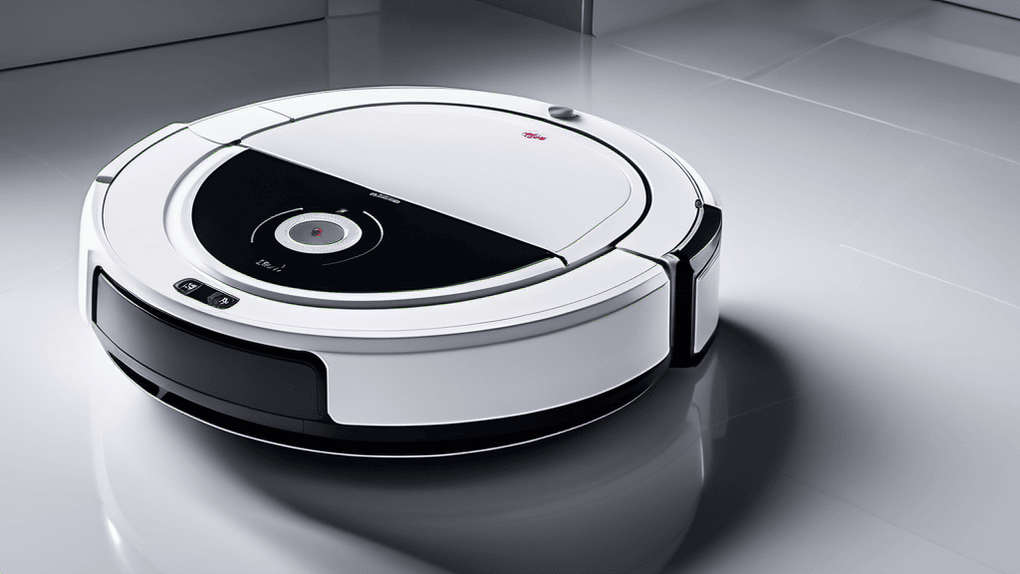
Robot vacuum specs decoded: what suction (Pa) really means, LiDAR vs camera navigation, self-emptying docks, and mopping — so you buy the right one for your home.

Dash cam buying guide: why 1080p vs 1440p vs 4K matters for reading plates, how field of view and night vision work, and what parking mode really needs.

Smartwatch sensors explained: what the heart-rate, SpO2, ECG, and GPS sensors actually measure, how accurate they are, and which ones matter for fitness and health tracking.
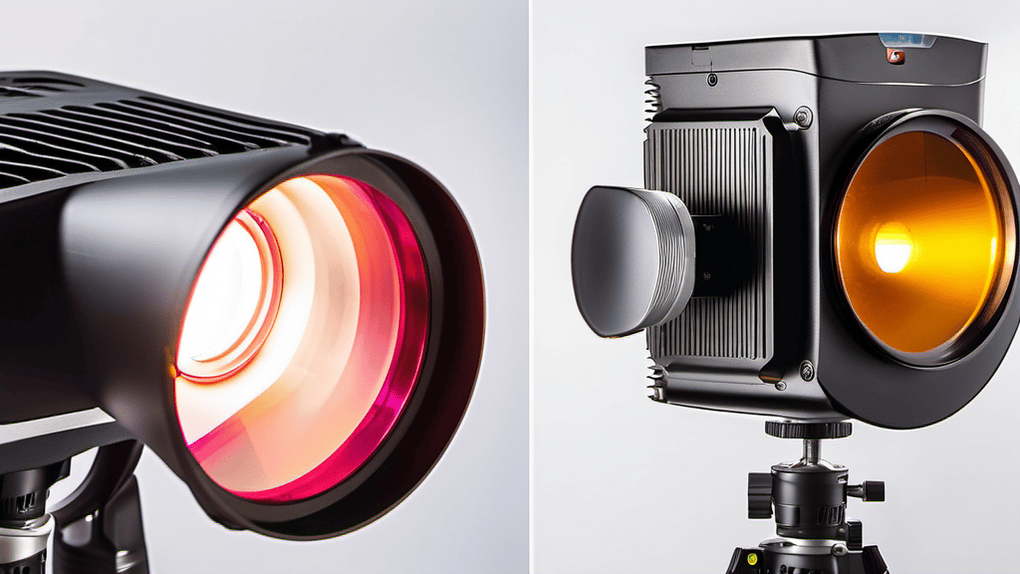
How to read projector specs: why ANSI lumens matter more than inflated brightness claims, native vs supported resolution, and how throw distance sets your screen size.

Gaming monitor specs decoded: what refresh rate (Hz) and response time (ms) really mean, why 1ms claims can mislead, and how G-Sync/FreeSync stop screen tearing.
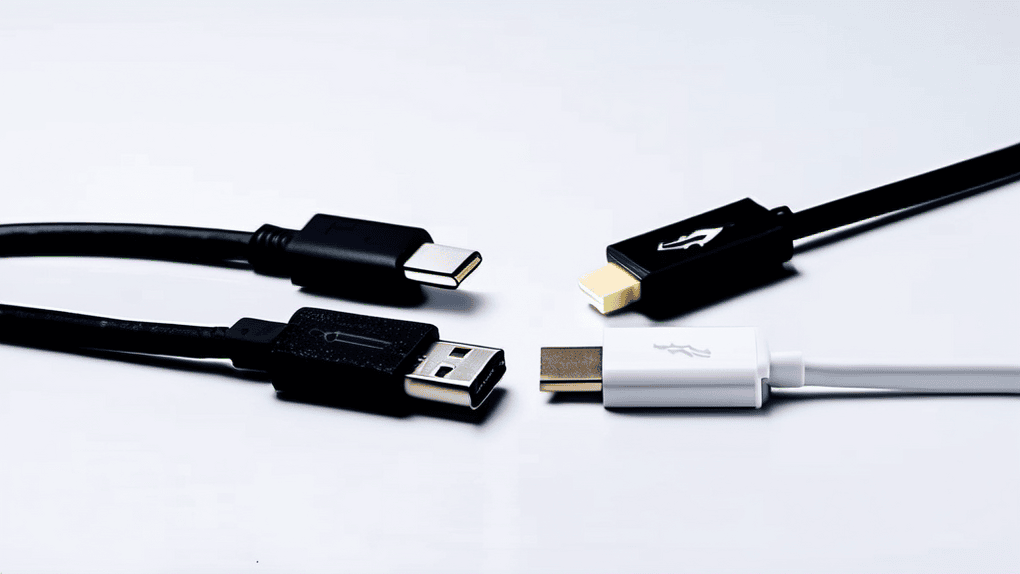
USB4 vs Thunderbolt 4 explained: both hit 40Gbps over USB-C, but Thunderbolt 4 guarantees stricter minimums. Here’s how they differ and when it matters.

Wireless charging explained: what Qi, Qi2, and MagSafe are, why alignment and wattage matter, and how wireless speeds compare to a plain cable.

Active vs passive noise cancellation explained: how ANC uses microphones to cancel sound, what passive isolation does, and which works best for planes, offices, and commutes.
Join our VIP list for instant 10% OFF storewide (auto-applied at checkout) + weekly viral gadget drops.